
We know home theater - 26th Anniversary
Questions? CALL TOLL FREE 1-888-764-9273


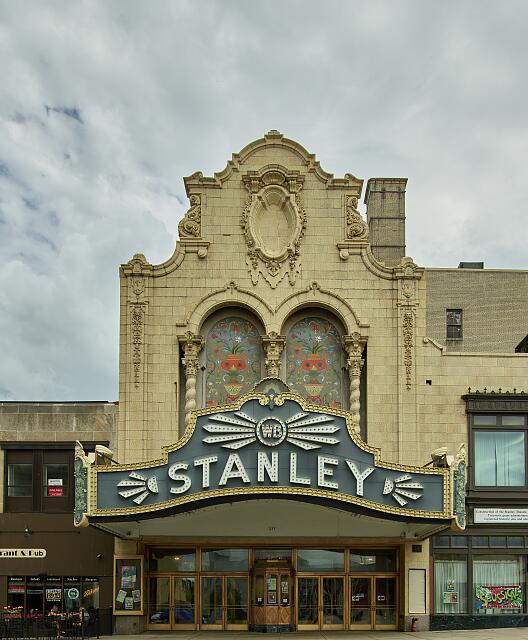
The movie palace was created to make watching a film feel like entering another world. These theaters were far more than rooms containing screens and rows of chairs. Their marquees illuminated city streets, their lobbies resembled European palaces, and their auditoriums transported audiences to imagined versions of Spain, Italy, France, ancient Egypt, China and other distant settings.
At their peak during the 1920s and early 1930s, movie palaces were among the most impressive public interiors that ordinary Americans could regularly experience. A single admission could include a feature film, newsreels, cartoons, a live stage presentation, an orchestra and a performance on a large theater organ. The building itself was part of the entertainment.
Early motion pictures were often presented in temporary exhibition spaces, converted storefronts, fairgrounds and vaudeville theaters. The first nickelodeons were inexpensive neighborhood venues that charged a small admission fee and showed short films in continuous programs. Their interiors were usually simple, and the main attraction was the novelty of moving images.
As films became longer and audiences grew, exhibitors realized that the surroundings could influence how the public perceived motion pictures. Better theaters helped move film away from its reputation as a cheap novelty and toward acceptance as respectable mass entertainment. Purpose-built cinemas introduced improved seating, sloped floors, permanent projection booths, decorative fronts and more carefully managed auditoriums.
During the 1910s, theater owners began constructing larger and more luxurious buildings specifically for motion pictures and accompanying stage entertainment. These new theaters offered grand entrances, spacious lobbies, upholstered seating, balconies, decorative lighting and uniformed ushers. They were designed to make every customer feel important, regardless of the price paid for a ticket.
Chicago played an especially important role in this development. The Balaban & Katz theater chain combined elaborate architecture with attentive service, stage presentations, orchestras and climate control. Its Central Park Theatre opened in 1917, followed by increasingly ambitious theaters including the Riviera, Tivoli, Chicago and Uptown. The chain's approach helped establish the national model for the modern movie palace.
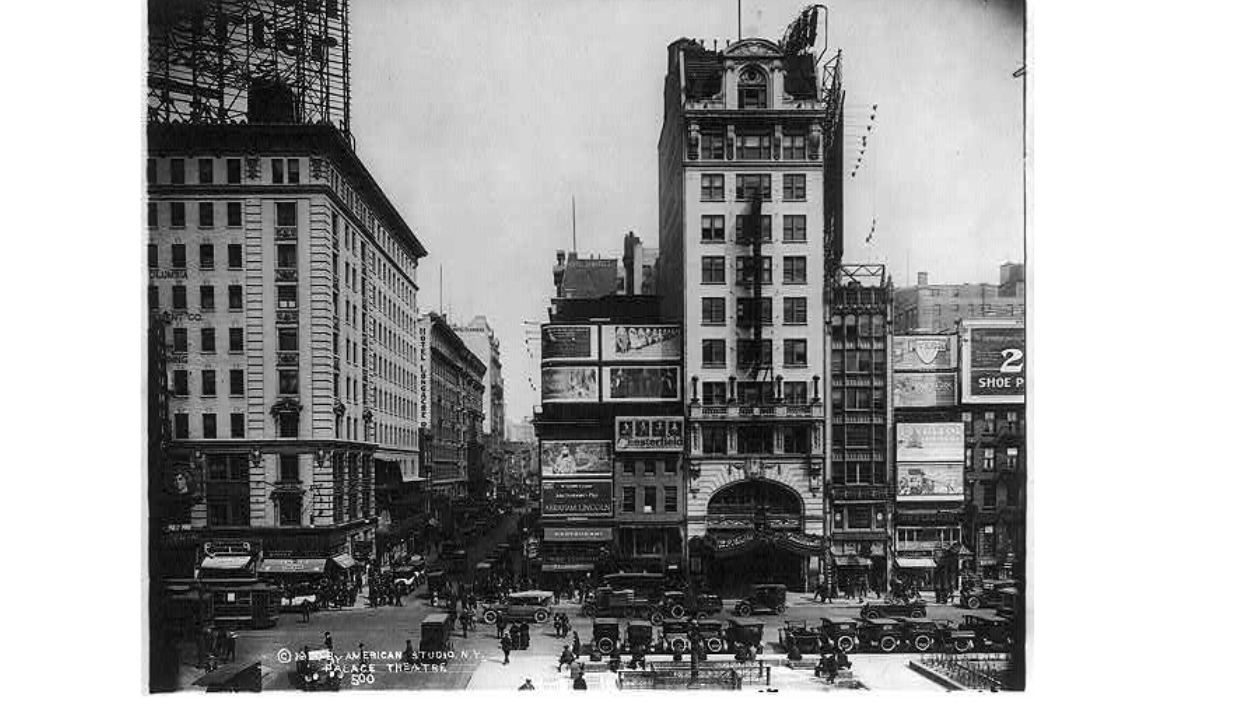
Movie-palace architecture was intentionally theatrical. Exteriors used towering vertical signs, electric marquees and elaborate facades to attract attention from blocks away. Once inside, patrons moved through a sequence of carefully designed spaces: ticket lobby, grand lobby, promenade, lounge, staircase, balcony and auditorium.
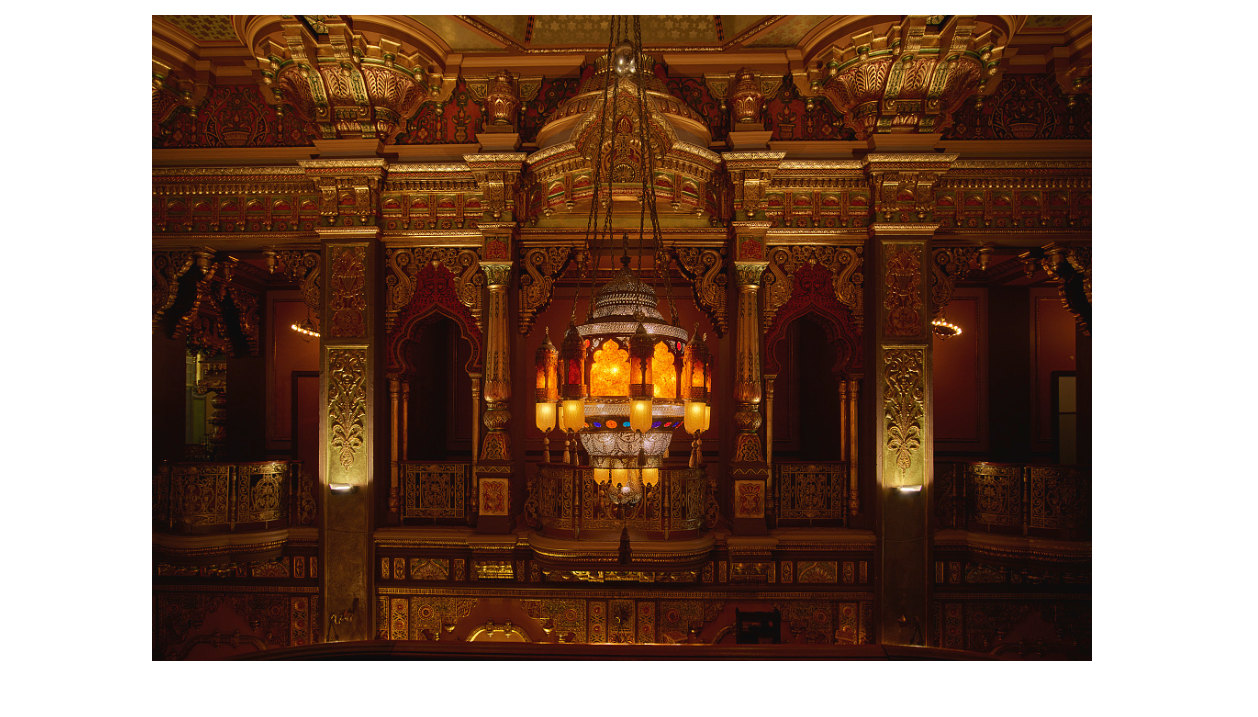
The interiors often mixed historical styles freely rather than following strict architectural rules. A theater might combine Spanish Baroque ornament, Renaissance columns, Moorish arches, classical statuary and gilded decoration. The objective was emotional impact. The design was meant to surprise, impress and transport the audience before the lights dimmed.
Several architects became closely associated with this building type. Thomas W. Lamb designed many large and influential theaters, including the Stanley Theatre in Utica and the Ohio Theatre in Columbus. Chicago architects Cornelius and George Rapp, known as Rapp & Rapp, designed the Chicago Theatre and other ornate palaces. John Eberson became famous for atmospheric theaters whose auditoriums resembled outdoor courtyards beneath artificial twilight and star-filled ceilings.
Movie-palace lobbies were designed to manage crowds while extending the fantasy of the auditorium. Many included sweeping staircases, chandeliers, murals, mirrors, carved plaster, decorative metalwork and richly furnished lounges. Some lobbies were large enough to hold a substantial portion of the theater's audience while one performance ended and the next group waited to enter.
The service was also carefully staged. Uniformed ushers guided patrons to their seats, maintained order and reinforced the feeling that the theater was a refined institution. Restrooms and lounges were often more elaborate than those found in the average home, store or workplace of the period.
The largest movie palaces seated several thousand people in a single auditorium. Their stages were built to accommodate orchestras, dancers, singers, comedians and touring acts in addition to films. During the silent era, theater organs and orchestras supplied musical accompaniment and sound effects. Stage curtains, lighting systems and scenery allowed theaters to create elaborate presentations around the feature attraction.
Audiences often attended a complete program rather than arriving for one scheduled feature. A visit might include newsreels, short subjects, a cartoon, a live performance and a full-length film. The program could run continuously, allowing patrons to enter at different times and remain until they reached the point where they had originally come in.
Technology also contributed to the appeal. Improved projection, theater organs, sound systems, ventilation and air conditioning made these large rooms more comfortable and impressive. In warm weather, an air-cooled theater could be marketed as an attraction independent of the film.
The 1920s were the defining decade of the American movie palace. Rapid urban growth, expanding transit systems and the increasing popularity of motion pictures supported the construction of enormous theaters in downtown entertainment districts and growing residential neighborhoods.
In Chicago, the Chicago Theatre opened in 1921 with approximately 3,800 seats and interiors inspired by French palatial architecture. Neighborhood theaters such as the Uptown, Tivoli, Riviera and Paradise brought comparable grandeur closer to residential audiences. Similar theaters appeared in New York, Los Angeles, Detroit, Columbus, Syracuse and cities across the country.
Movie palaces also became highly visible civic landmarks. Their signs and marquees shaped nighttime streetscapes, while their opening nights, premieres and stage shows attracted large crowds. For many communities, the local palace was one of the most recognizable buildings in town.
The arrival of synchronized sound in the late 1920s changed both theater technology and programming. Auditoriums required new sound equipment and acoustic attention. Live orchestras became less essential to routine film presentation, although theater organs and stage shows continued in many large houses.
Sound helped films become even more popular, but it also shifted more attention toward the screen itself. Over time, the elaborate live components that distinguished a movie-palace program became expensive to maintain. Theaters increasingly focused on the feature film rather than presenting an extensive combination of stage and screen entertainment.
Several forces weakened the traditional movie palace after its golden age. The Great Depression made enormous operating staffs and elaborate stage presentations difficult to support. During and after World War II, population and retail activity shifted toward suburbs, while television gave families a new form of entertainment at home.
Large single-screen auditoriums were costly to heat, cool, maintain and fill. Changes in the studio system and federal antitrust action also altered the relationship between film studios and theater chains. By the 1960s and 1970s, many downtown and neighborhood palaces had closed, been divided into smaller auditoriums, converted to other uses or demolished.
The multiplex represented a different business model. Instead of operating one huge auditorium, exhibitors could present several films simultaneously in smaller rooms. The emphasis shifted from architectural spectacle and live presentation toward scheduling flexibility, parking convenience and a wider selection of movies.
By the late 20th century, preservation groups began recognizing surviving movie palaces as important examples of architecture, entertainment history and community identity. Restoring these buildings was rarely simple. Their size, aging mechanical systems, decorative plaster and specialized theater equipment made rehabilitation expensive.
Many successful restorations depended on adapting the theater for a wider variety of events. Former movie palaces became performing-arts centers, concert halls, touring-Broadway venues, community theaters, film-festival locations and special-event spaces. This broader programming helped justify the cost of preserving buildings that could no longer survive solely as single-screen cinemas.
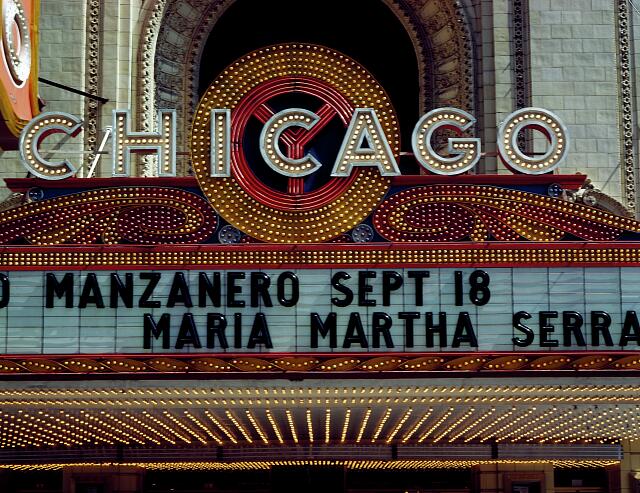
The movie palace still influences how people imagine a dedicated theater. Home theaters commonly borrow its visual vocabulary through stage curtains, columns, wall sconces, decorative carpeting, poster displays, illuminated signs and carefully arranged seating. Even a modest residential theater can create a sense of transition between everyday space and the movie experience.
Modern cinema technology is very different from the film projectors, organs and stage equipment used during the palace era, but the basic objective remains familiar: separate the audience from ordinary distractions and create an environment in which the presentation feels special.
The evolution of the movie palace reflects the rise of motion pictures as America's dominant form of mass entertainment. What began in simple storefront theaters grew into an architectural movement that reshaped downtowns and neighborhood commercial districts across the country.
Although the economic model that supported enormous single-screen palaces largely disappeared, many of the buildings survived because communities recognized their cultural and architectural value. Restored theaters continue to host movies, concerts, stage productions and public events, allowing new audiences to experience the grandeur that once defined a night at the movies.

Alan Hutchinson is the founder and owner of HTmarket.com. He has worked in the home theater industry since 2000 and built his own dedicated screening room in 1996 using a Barco CRT projector, Da-Lite screen, external video processing and Atlantic Technology 5.1 surround sound. He graduated from Babson College in 1984 with a minor in film.




