
We know home theater - 26th Anniversary
Questions? CALL TOLL FREE 1-888-764-9273


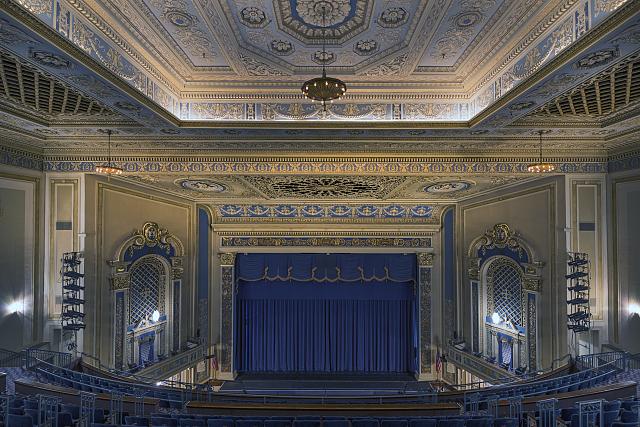
The history of movie theater seating tells the story of how the moviegoing experience changed over time. In the earliest days of motion pictures, comfort was secondary. Seats were often simple, closely spaced and built more for capacity than enjoyment. As the film industry matured, theaters became grander, audiences became more selective and seating became an increasingly important part of the overall experience.
Today, the trend has moved even further toward comfort. Many commercial movie theaters now borrow ideas associated with home theaters, including smaller premium auditoriums, wider spacing and power reclining seats with oversized arms and footrests. For many exhibitors, comfort has become a major part of the reason to see a film in a theater rather than at home.
In the late 19th and early 20th centuries, moving pictures were often shown in converted storefronts, vaudeville houses and temporary exhibition spaces. These early venues were not designed specifically for film. Seating was basic and sometimes uncomfortable, consisting of wooden chairs, folding seats or benches arranged in tight rows.
The priority was to fit as many patrons as possible into a small room. Ventilation, legroom and sightlines were often poor. At that stage, movies were still a novelty, and audiences were more interested in seeing motion on a screen than enjoying a luxurious place to sit.
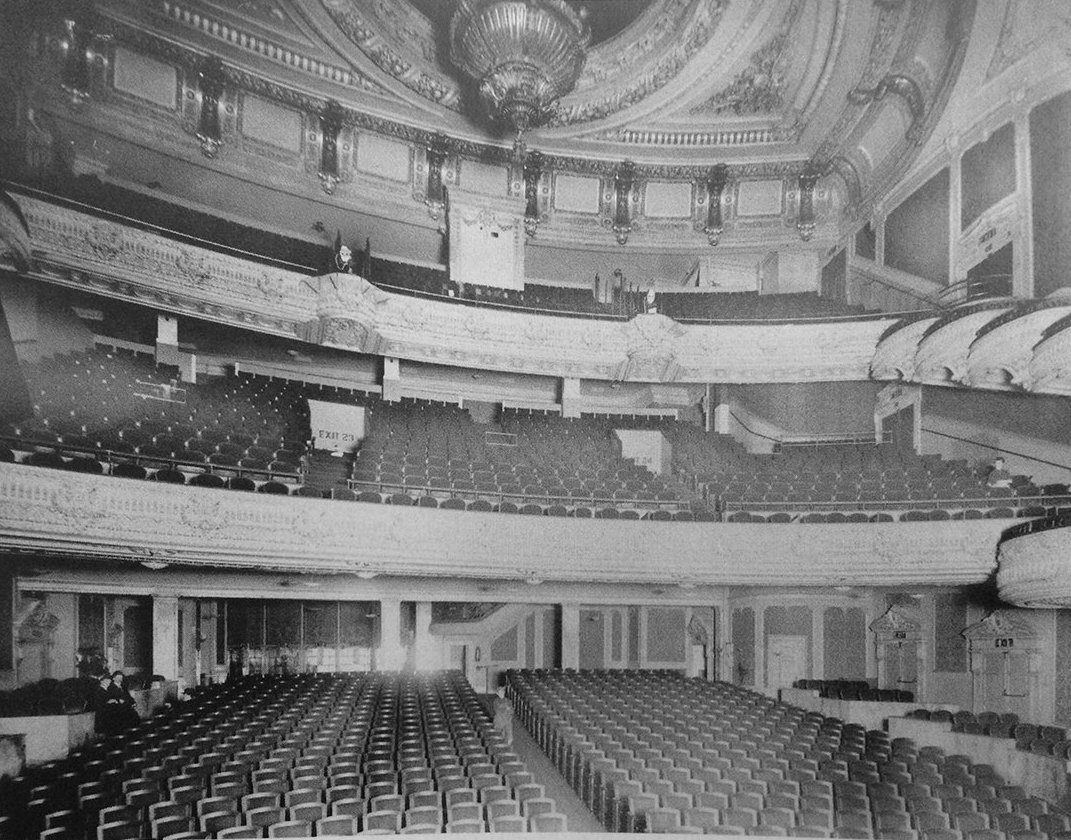
By the early 1900s, nickelodeons became popular across the United States. These were small, inexpensive theaters where admission often cost five cents. Seating was still utilitarian. Rows were packed tightly together, and many theaters used flat floors rather than the sloped floors that later improved visibility.
Although nickelodeons were modest spaces, they played an important role in establishing the basic row-and-aisle seating arrangement that would define movie theaters for decades.
During the 1910s, 1920s and 1930s, movie theaters became far more elaborate. Grand movie palaces were built to impress audiences with architecture, chandeliers, decorative plasterwork, velvet curtains and expansive lobbies. Seating improved along with the surroundings.
Theater chairs in movie palaces were generally upholstered, fixed to the floor and designed with a more formal appearance. They often featured spring cushions, armrests and folding seat bottoms. Compared with earlier benches and wooden seats, these were a major improvement. The chair itself became part of the sense of occasion. Going to the movies was no longer just about watching a film; it was about entering a glamorous environment.
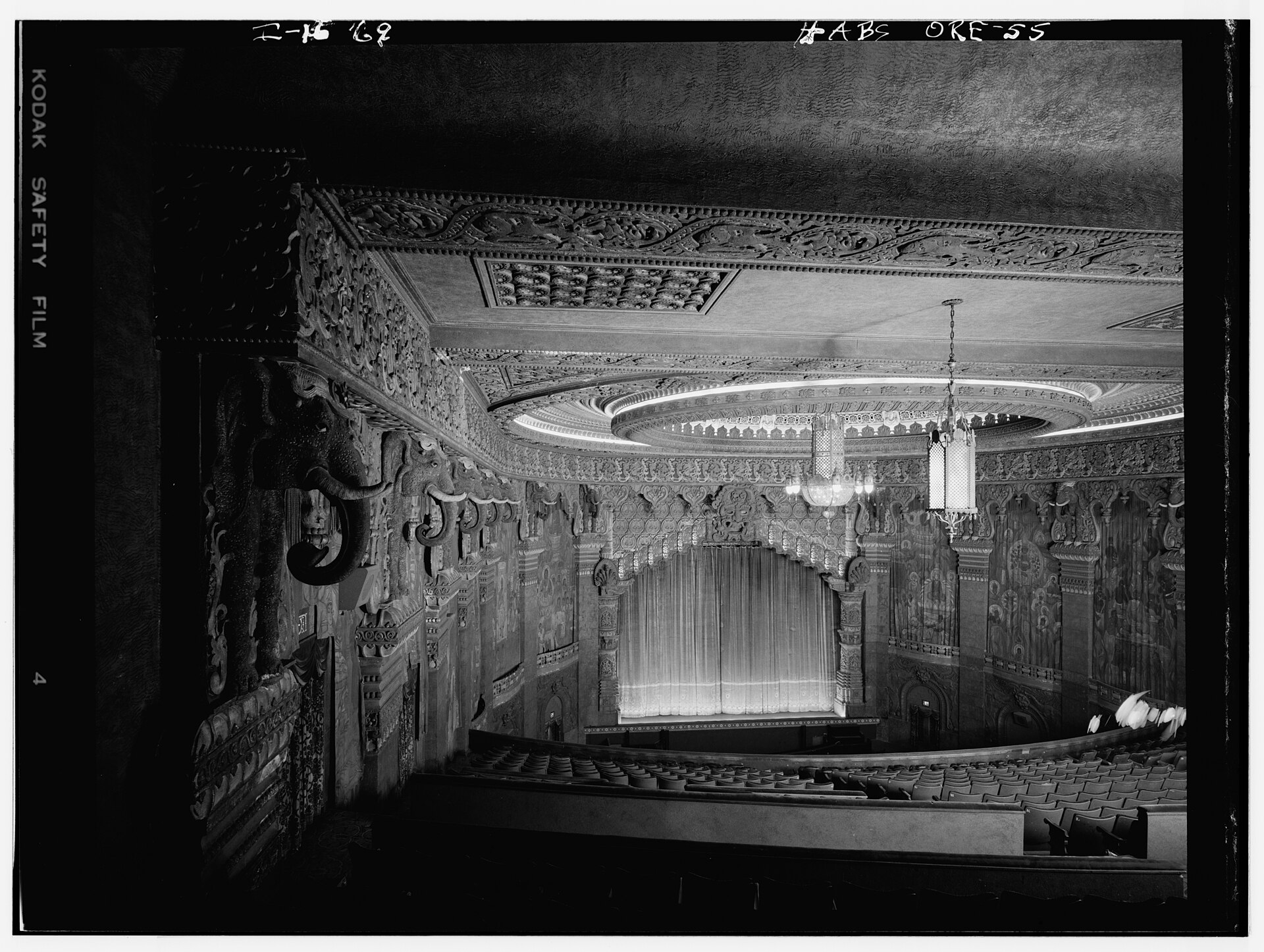
After World War II, theater construction gradually became more practical and less ornate. New suburban cinemas and neighborhood theaters typically emphasized efficiency over grandeur. Seats remained upholstered and fixed in rows, but designs became simpler and more standardized.
During this period, theaters were often large single-screen venues with hundreds of seats. Seat widths were modest, row spacing was relatively tight and comfort was acceptable but not luxurious. The emphasis remained on accommodating large audiences.
In the second half of the 20th century, multiplex theaters transformed the movie business. Instead of one huge auditorium, theaters were divided into multiple smaller screens. This allowed operators to show more films and appeal to a wider range of audiences.
Seating in multiplexes was usually more compact and standardized. Theaters focused on maximizing capacity and turnover. Later, stadium seating became a major upgrade. By elevating each row above the one in front of it, stadium seating improved sightlines and gave more viewers a better view of the screen.
In recent years, movie theater seating has undergone another major shift. Facing competition from streaming, large TVs, surround sound and increasingly sophisticated home theaters, cinemas began reinventing the in-theater experience. One of the clearest responses has been the move toward luxury seating.
Across the industry, many theaters removed rows of standard seats and replaced them with wider, more comfortable recliners. These chairs often include high backs, thick cushions, armrests, footrests and much more personal space. In premium locations, seats may also include power reclining mechanisms, tray tables, privacy walls or loveseat-style arrangements.
One of the most interesting recent trends is that commercial theaters are increasingly borrowing ideas from home theater design. Instead of giant auditoriums packed with seats, many newer theaters are moving toward smaller rooms with fewer chairs, better spacing and a more premium feel. Reserved seating also allows patrons to select a specific seat before arriving, making seat choice part of the ticket-purchasing process.
The influence of home theater seating is especially obvious in the rise of powered reclining seats. These are no longer just basic folding cinema chairs. Many now resemble the type of seating found in dedicated residential theater rooms: deeply cushioned recliners with cupholders, wide armrests and a lounge-like posture designed for long viewing sessions.
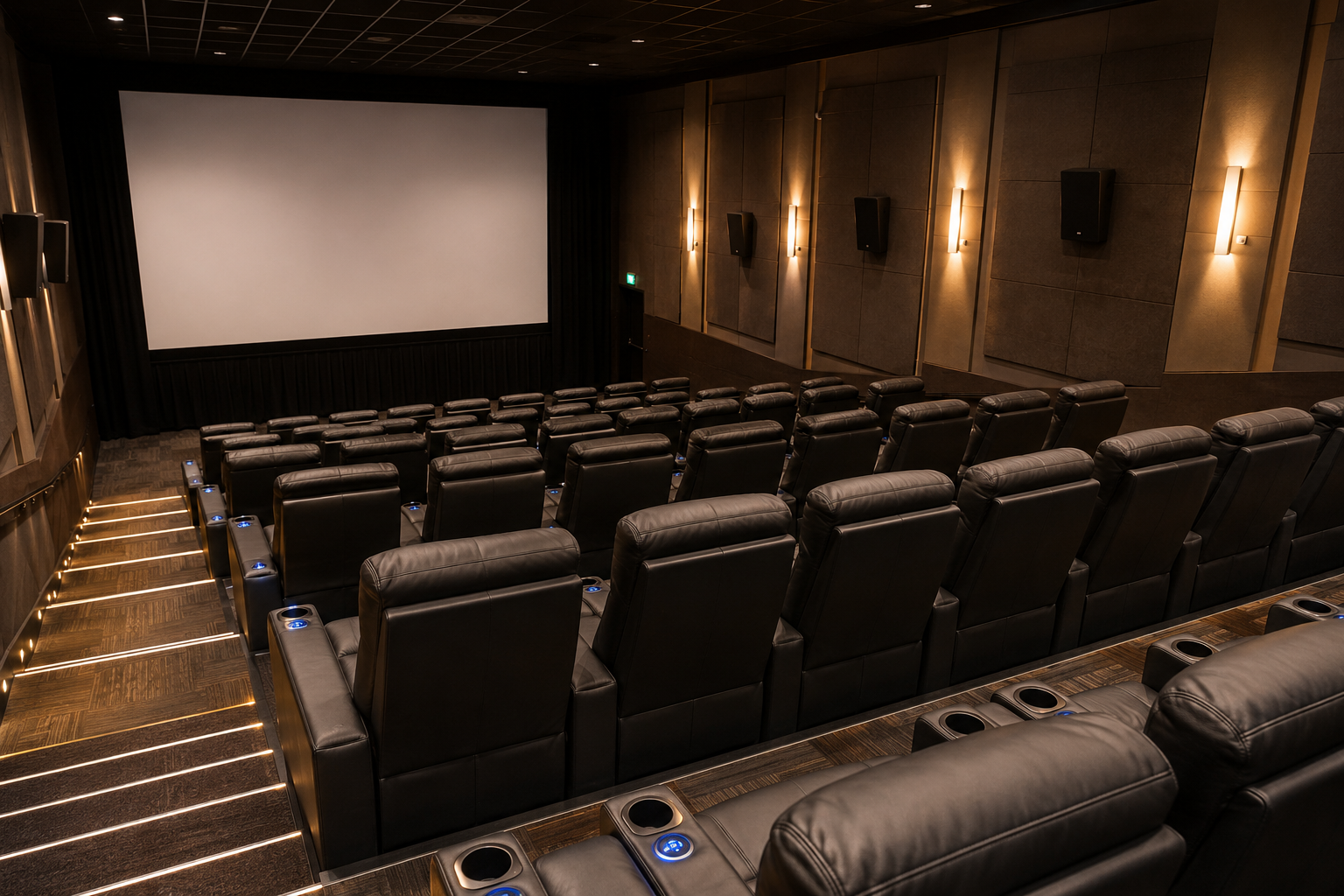
Seating is not just furniture. It affects comfort, sightlines, traffic flow, acoustics, spacing, accessibility and the overall perception of quality. Modern auditorium planning must also account for wheelchair spaces, companion seating, accessible routes and comparable lines of sight. A theater seat can shape whether the experience feels cramped and outdated or premium and inviting.
The history of movie theater seating mirrors the history of cinema itself. What began with simple benches and wooden chairs evolved into ornate movie-palace seating, then into practical multiplex rows and now into spacious reclining chairs that often resemble luxury home theater seating.
The latest chapter in that story is especially revealing: instead of home theaters imitating commercial cinemas, movie theaters are increasingly imitating home theaters. Smaller auditoriums, fewer seats and power reclining theater chairs reflect a clear effort to deliver more comfort, more intimacy and a more premium moviegoing experience.
Library of Congress: Early Cinema — Topics in Chronicling America
Library of Congress: America at Leisure — Motion Pictures from 1894 to 1915
Library of Congress: Theaters — An Illustrated History of American Theaters
Theatre Historical Society of America: American Theatre Architecture Archive
U.S. National Park Service: Fox Theater Rehabilitation Case Study
U.S. Access Board: ADA Accessibility Standards for Assembly Areas

Alan Hutchinson is the founder and owner of HTmarket.com. He has worked in the home theater industry since 2000 and built his own dedicated screening room in 1996 using a Barco CRT projector, Da-Lite screen, video processing and Atlantic Technology 5.1 surround sound. He studied film as a minor at Babson College and graduated in 1984.




