
We know home theater - 26th Anniversary
Questions? CALL TOLL FREE 1-888-764-9273


When people discuss the Golden Age of Hollywood, they often begin with the stars: Clark Gable, Bette Davis, Humphrey Bogart, Katharine Hepburn, James Stewart, Barbara Stanwyck, Cary Grant and dozens of other performers whose screen images still define classic movies. But the stars were only the most visible part of a much larger system.
Behind them stood permanent organizations built to make movies continuously. The major studios maintained soundstages, backlots, standing sets, costume departments, editing rooms, music departments, laboratories, workshops and publicity offices. Actors, writers, directors, cinematographers, editors, composers, designers and craftspeople were frequently under contract. A studio did not have to assemble a completely new company every time it approved a picture. Much of the company was already at work on the lot.
That industrial structure is one reason the 1930s and 1940s produced such a remarkable concentration of memorable films. The system could be rigid, controlling and unfair, but it also created a level of repetition, specialization and professional experience that is difficult to reproduce. Hollywood became a movie-making machine—and at its best, the machine produced art.
There is no single date on which the Golden Age began or ended. The term usually refers to the period when classical Hollywood filmmaking and the major-studio system dominated American cinema, beginning in the late 1920s and extending into the 1950s. The 1930s and 1940s form the center of that era: synchronized sound had become established, moviegoing was a mass habit, the major studios had mature production organizations and television had not yet taken a large share of the audience.
By the end of the 1920s, eight companies led the American industry: Metro-Goldwyn-Mayer, Paramount, Warner Bros., Twentieth Century-Fox, RKO, Universal, Columbia and United Artists. The five most vertically integrated companies controlled production, distribution and important theater chains. The smaller majors had less control over exhibition, while United Artists functioned primarily as a distributor for independent producers and stars.
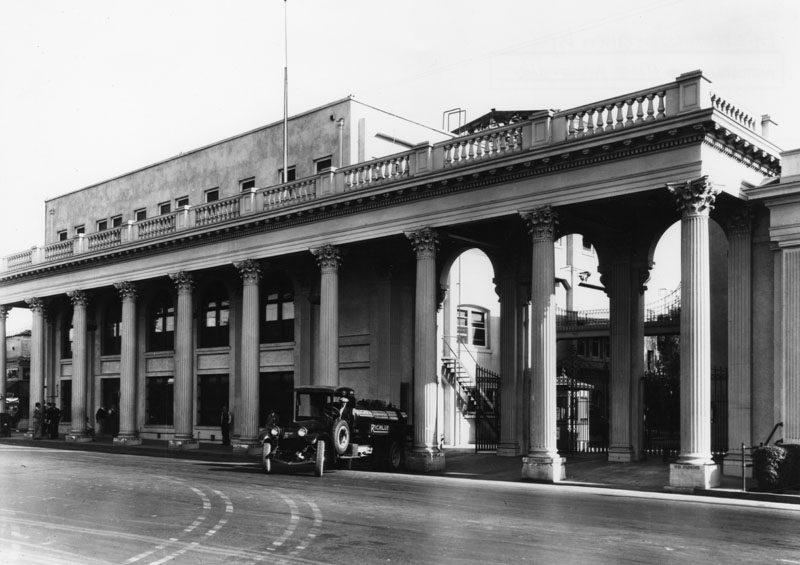
Vertical integration gave the largest studios unusual power. They could finance and produce a film, distribute it nationally and exhibit it in theaters they controlled. Practices such as block booking could require an exhibitor to license a package containing desirable films along with less attractive titles. This helped studios maintain a steady market for large annual slates rather than betting the company on a few individual releases.
The factory comparison is useful as long as it is not taken to mean that filmmaking was automatic. Movies still required judgment, imagination and collaboration. What the factory structure provided was a permanent production base. Departments existed before a specific movie needed them, and experienced employees understood how to move a project through the system.
A studio could have several pictures in different stages at once. One film might be shooting on a soundstage while another was being edited, another was recording music and several more were moving through writing, casting, set construction or costume preparation. Backlot streets and standing interiors could be redressed and reused. A courthouse in one picture might become a bank, hotel or police station in the next.
Specialized departments increased efficiency. Costume designers knew the studio’s performers and existing wardrobe inventory. Art directors understood the stages and backlot. Editors were familiar with the studio’s storytelling conventions. Camera crews, sound technicians, prop departments and construction shops solved similar problems repeatedly, becoming faster without necessarily becoming careless.
MGM’s 1939 production of The Wizard of Oz is an especially clear example. The film drew on screenwriting, casting, costumes, makeup, production design, special effects, sound, music, cinematography, editing and publicity departments. No single person created the movie’s world. It emerged from a studio organization capable of bringing many specialized crafts together.
The most powerful creative executive was often the producer or production chief. This person selected properties, assigned writers and directors, approved casting, supervised budgets, reviewed footage and decided whether a picture needed revision. In a modern discussion of authorship, the director often receives most of the attention. Within the classical studio system, however, the producer could shape the identity of an entire slate of films.
Irving Thalberg became the most famous example. At MGM, he developed a reputation for matching material with performers and filmmakers, using previews to identify problems and ordering revisions when he believed a picture was not working. His methods could be intrusive, but they reflected a basic studio-system principle: the film belonged to the production organization as much as it belonged to any individual participant.
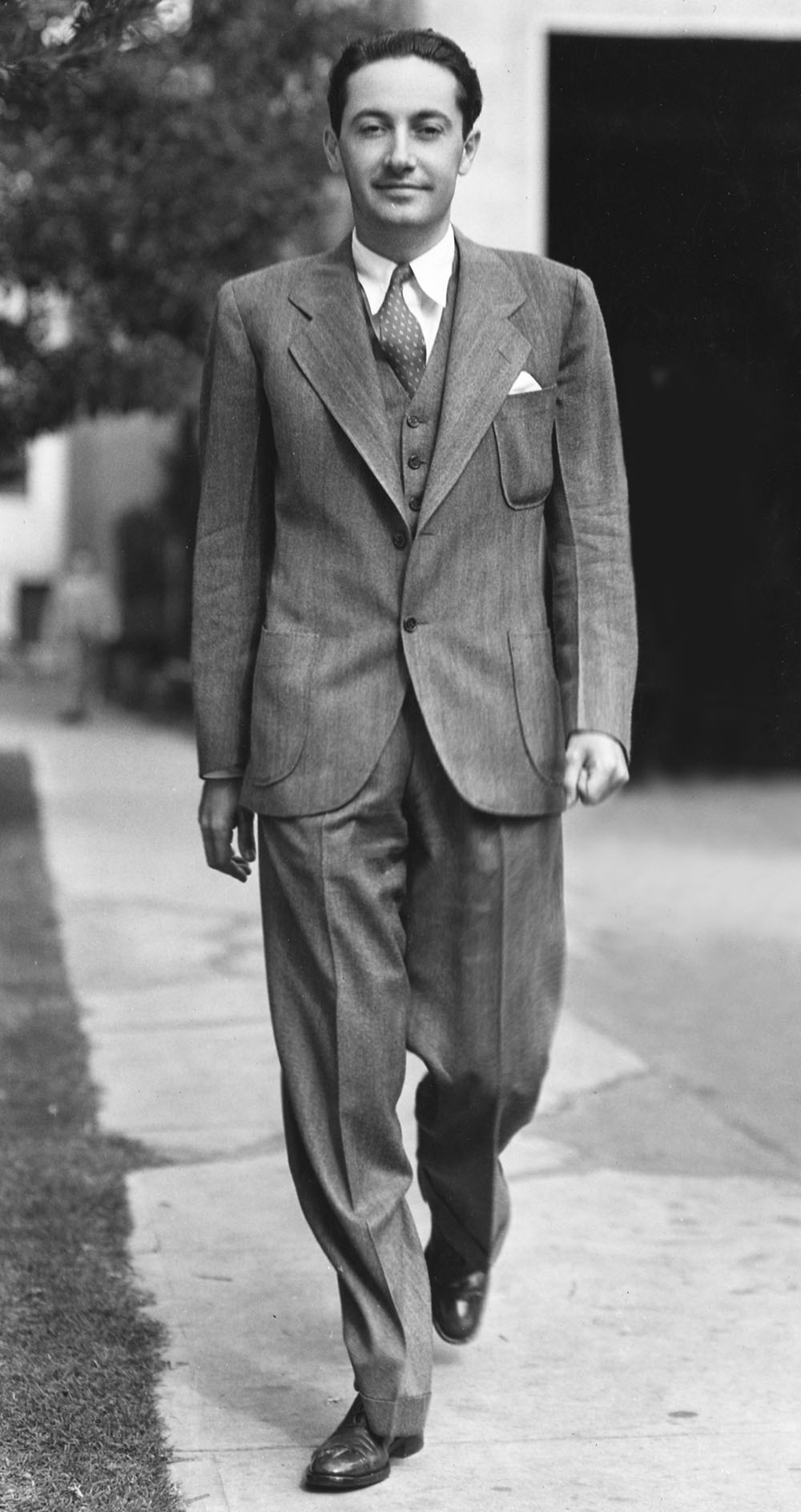
This system could improve a troubled production because experienced executives saw hundreds of scripts, performances and rough cuts. It could also weaken a distinctive director’s work through excessive interference. The same centralized control that produced consistency could suppress originality.
Long-term contracts gave studios a resident company of stars, supporting actors and developing performers. A new actor might begin with small roles, screen tests, publicity photographs, voice coaching, dance training or changes in appearance and screen name. If the studio believed the performer had potential, it could gradually build a public identity through carefully selected roles and publicity.
Constant employment helped actors develop technique. A performer might work in comedy, melodrama, crime pictures, musicals and historical films within a short period. Supporting players became exceptionally reliable because they appeared in film after film, often playing judges, police officers, newspaper editors, mothers, bartenders, servants, doctors or gangsters. Their familiarity made fictional worlds feel populated and complete.
Studios could also loan performers to one another. A contract star who was ideal for a role at another company might be temporarily assigned in exchange for money, another performer or cooperation on a future production. These arrangements gave studios additional control over careers while allowing certain films to obtain unusually strong casts.
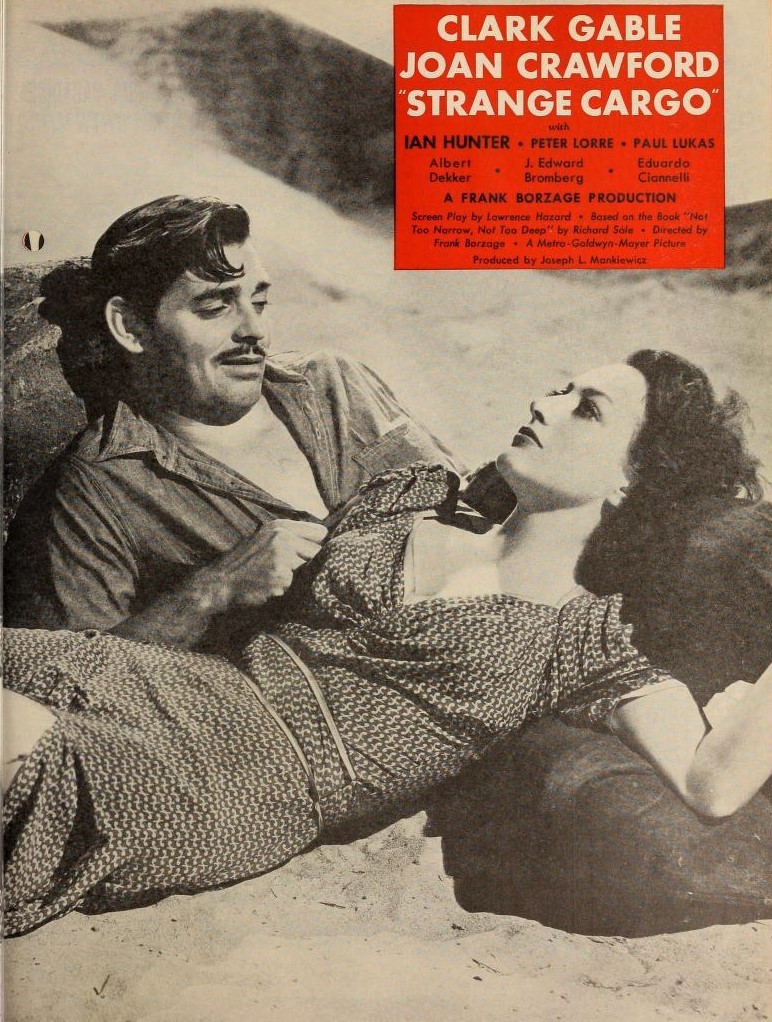
The disadvantages were substantial. A standard contract could bind an actor for years while giving the studio considerable authority over assignments, image and schedule. Performers who refused roles could be suspended, and suspension time could be added to the contract. Typecasting made commercial sense for the studio but could frustrate an actor who wanted more varied work.
Classical Hollywood is frequently praised for its dialogue, structure and storytelling economy. That achievement did not result from one uniform method. Some films had a dominant screenwriter. Others passed through several writers who contributed story construction, dialogue, comedy, continuity or revisions requested during production.
Studios employed writers under contract and maintained story departments that searched novels, plays, magazine stories, newspaper reports and historical events for adaptable material. One writer might create a treatment, another a screenplay and another improve a particular sequence. Uncredited rewriting was common, and the final film could contain the work of more people than the screen credits acknowledged.
This collaborative process sometimes produced impersonal scripts, but it could also provide rigorous quality control. Experienced readers and producers identified weak motivations, slow scenes or confusing story points. Dialogue specialists sharpened exchanges. Comedy writers added business and timing. A writer who understood a particular star could tailor lines to that performer’s voice.
The Golden Age was not built only on prestige productions such as Gone with the Wind, The Wizard of Oz or How Green Was My Valley. Studios needed a continuous flow of pictures for theaters. Annual schedules included expensive attractions, dependable star vehicles, mid-budget programmers, serials, shorts and lower-budget B movies.
B pictures were often produced on short schedules with modest sets, limited locations and less expensive casts. They could be formulaic, but those limitations encouraged efficiency. Directors learned to tell a story clearly, editors learned to remove anything unnecessary and writers relied on premise, dialogue and character rather than spectacle.
Lower-budget units also served as training grounds. Performers, directors and technicians could gain experience before receiving larger assignments. Some of the most durable crime films, horror films, Westerns and film noirs emerged from productions that lacked prestige budgets but had strong ideas and skilled craftspeople.
The studios were competitors, but they did not all make movies in the same way. Their available stars, executives, directors, departments and business strategies produced recognizable tendencies.
MGM cultivated polish, major stars, literary adaptations, family entertainment and elaborate musicals.
Warner Bros. became associated with energetic crime films, social dramas, backstage musicals and hard-edged urban characters.
Paramount developed a reputation for glamour, sophisticated comedy and visually stylish productions.
Twentieth Century-Fox combined prestige films, popular stars, musicals, historical subjects and Americana.
RKO produced musicals, adventure films, sophisticated comedies, horror and some of the era’s most visually adventurous pictures.
Universal became inseparable from classic horror while also producing comedies, serials and lower-budget genre films.
Columbia operated with fewer resources than the largest studios but produced major comedies and dramas, including films directed by Frank Capra.
United Artists distributed films made by independent producers and artist-controlled companies rather than functioning like a conventional factory studio.
These identities were never absolute, but they helped audiences know what kind of experience a studio name might promise. They also gave creative personnel repeated opportunities within genres they understood.
Beginning in 1934, the Production Code Administration reviewed Hollywood films and imposed restrictions involving crime, sexuality, language, religion, marriage and other subjects. The Code became one of the defining limitations of classical Hollywood.
Filmmakers responded by developing implication, double meaning and subtext. Screwball comedies could suggest sexual conflict through verbal combat. Film noir could represent desire, corruption and psychological instability through shadows, dialogue and narrative consequences. Writers became highly skilled at communicating ideas indirectly.
That ingenuity should not obscure what the Code prevented. Many adult relationships, political controversies and social realities could not be treated honestly. Representations of race, gender and sexuality were narrowed by censorship and by the prejudices of the industry itself. The system produced sophisticated entertainment while excluding many perspectives and reinforcing stereotypes.
The studio system rewarded clarity. A film had to establish characters quickly, guide the audience through the story and fit a theatrical program. Scenes generally entered late, accomplished a specific purpose and ended before exhausting it. Supporting characters were introduced economically. Music, costumes, sets and cinematography worked together to signal genre and emotion.
Repetition mattered. A cinematographer who had photographed dozens of black-and-white pictures understood how faces, fabrics and sets would register. An editor who had cut musicals knew how to preserve rhythm. A character actor who had played twenty authority figures knew how to establish one in a few lines. A director completing several pictures within a short span learned what could be achieved within a schedule.
The best films combined that accumulated craft with an unusual script, performance, director or subject. The system supplied professional competence; individual talent pushed certain productions beyond competence into greatness.
Nostalgia can make the studio era appear more harmonious than it was. Long hours, dangerous working conditions and intense schedules affected performers and crews. Studios could control actors’ professional lives and attempt to control their public lives. Writers and directors could lose credit or authority. Blacklists later destroyed careers, while racial discrimination and segregation limited who could work and what stories could be told.
The factory could also produce mediocrity efficiently. For every classic remembered today, the studios released routine programmers, weak remakes, forgettable star vehicles and formula pictures that have largely disappeared from public memory. Any claim that the Golden Age produced nothing but masterpieces is distorted by survivorship bias: later generations preserve and discuss the best films while ignoring most of the ordinary output.
No single event ended the system. The 1948 Supreme Court decision in United States v. Paramount Pictures and the resulting consent decrees forced the major theater-owning studios to separate distribution from exhibition and restricted practices including block booking. The largest companies could no longer rely on the same vertically integrated structure.
Television then provided free entertainment in the home, while suburbanization changed moviegoing patterns. Audiences declined, studios reduced production and the economic logic of maintaining enormous permanent staffs weakened. Stars and filmmakers gained greater independence, and individual pictures were increasingly assembled as separate packages of producers, performers and craftspeople.
By the 1960s, the old system of large production facilities and extensive long-term contract personnel had largely ended. The change opened opportunities for more independent production and greater creative freedom, but it also reduced the steady employment and institutional training that the studio structure had provided.
The strongest argument for the 1930s and 1940s is not that every film was great. It is that Hollywood produced an unusual combination of volume, professionalism, genre variety, memorable performers and disciplined storytelling. The same industry could release sophisticated comedies, musicals, Westerns, horror films, family pictures, war films, melodramas, literary adaptations and film noir while maintaining a remarkably high technical baseline.
The argument against calling it the greatest era is equally serious. The studio system restricted artists, censored adult subjects and excluded many voices. International cinema created masterpieces outside Hollywood. The 1950s expanded widescreen and visual scale. The 1960s transformed film language, and the 1970s combined classical craft with greater directorial freedom and moral complexity.
Modern filmmaking gained mobility, independent financing, location production, technological flexibility and opportunities for filmmakers who would have struggled inside the old hierarchy. Actors can move between companies, and directors can build teams suited to individual projects.
What disappeared was the permanent repertory company and the daily accumulation of shared experience. A studio once had writers, editors, musicians, designers, actors and technicians who understood its facilities and one another. Today those specialists may still be exceptional, but they are often assembled project by project.
The Golden Age remains fascinating because it exposes a productive contradiction. Movies are personal works of imagination, but they are also collaborative products requiring organization, money, technology and labor. The studio system made that collaboration industrial. Its greatest achievement was proving that a movie-making machine, under the right circumstances, could produce films that still feel alive generations later.

Alan Hutchinson is the founder and owner of HTmarket.com. He graduated from Babson College in 1984 with a minor in film, built a dedicated screening room in 1996 and has worked in the home theater industry since 2000. His interests include classic Hollywood, film noir, theater history, movie posters and the production methods used to create motion pictures.
Academy Museum: Hollywoodland—The Origins of the Studios
Academy Museum: The Art of Moviemaking—The Wizard of Oz
Academy Museum: Performance and Contract Actors in the Studio System
Library of Congress: The Studio Era
Library of Congress: The Post-Studio Era




